

Industry News
Raw materials are in short supply, and the United States cannot guarantee its own "medicine jar"
[editor's note] API low profits, environmental pressure is an important reason. In addition, some cheap drugs in China itself are out of stock. The Ministry of Industry and Information Technology has announced two batches of designated production bases for shortage drugs, and plans to achieve centralized production and stable supply of 100 small varieties of drugs by 2020.
Trump's televised speech on March 12, announcing the suspension of travel from Europe, further aggravated the market's worries. In recent days, the United States is still worried about another thing: the shortage of some essential drugs in the United States may affect the prevention and control of the epidemic.
The news first broke on February 27, when the FDA announced that there was a shortage of a drug related to the new coronavirus, but did not disclose what variety it was.
The FDA did not specify the cause of the shortage, saying only, "This shortage is related to a place affected by the new coronavirus because the production of the drug's API is hindered." Everyone knows that the "somewhere" FDA refers to is China.
At that time, the FDA news did not trigger much reaction in the United States. On March 3, the General Administration of Foreign Trade of India issued a statement saying: from now on, the export of 26 kinds of raw materials and finished drugs will be restricted, including paracetamol, tinidazole, erythromycin, vitamin B12, heparin, ibuprofen, etc.
This really worries Americans. Senator Rubio, who has been unfriendly to China, even publicly shouted on March 10: "China can no longer be allowed to control the American pharmaceutical industry. The medicine that Americans take should be in the hands of Americans."
1
China does hold the lifeblood of the U.S. pharmaceutical industry.
The FDA made statistics in 2018. Among the drugs on the US market, 88% of the APIs came from overseas, and China accounted for 14%.
In fact, the main source of drugs in the United States is India. In 2018, FDA statistics showed that 24% of finished drugs and 31% of raw materials in the United States came from India. However, 70% of India's pharmaceutical raw materials come from China!
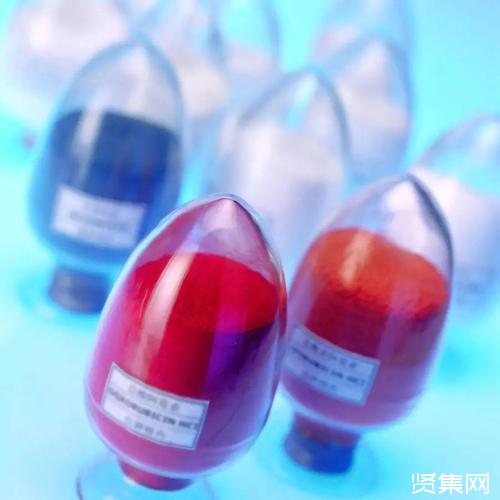
This is the real reason why India announced a moratorium on the export of 26 drugs on March 3. Reuters reports that 26 APIs account for 10% of India's pharmaceutical exports. Indians would rather give up the opportunity to earn money from exports, mainly considering that India may also face shortages within the country. The Indian government says domestic stocks can supply 2-3 months of pharmaceutical production.
China's inability to supply raw materials has led to a shortage of Indian pharmaceutical factories. India's inability to supply the United States has led to a shortage of drugs in the US market. This is the cause of the American crisis. China cannot supply raw materials because a large number of pharmaceutical companies cannot fully resume production. Reuters quoted a sales manager from Zhejiang Guobang Pharmaceutical as saying: "Resuming work does not mean resuming production."
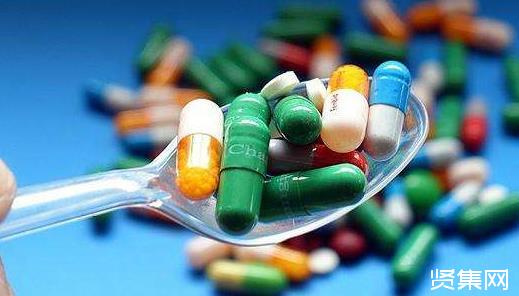
The production capacity of many enterprises has only recovered to 50%-80% of the normal value. On the one hand, the employees on the production line may face the problem of isolation for two weeks, on the other hand, the transportation capacity is not fully in place. In addition, the drug production process is complex, and whether a large number of upstream raw material enterprises fully resume production also determines the production capacity of pharmaceutical plants. The small impact of each link is multiplied step by step in the drug supply chain, resulting in a shortage of the market.
In fact, the FDA is not facing the problem of drug shortage on the first day. There are 146 varieties on the FDA's drug shortage list, and dozens of them are in constant shortage.
It's just that the epidemic has amplified the panic caused by drug shortages in the United States, and professionals believe that more drugs may be in short supply because of the epidemic. An FDA source said that if the epidemic in China continues to worsen, at least 150 prescription drugs in the United States will fall into a shortage, including antibiotics, and some drugs have no substitutes.
In this crisis storm, American political and academic circles have shown excessive concern. In addition to Senator Rubio, there are other U.S. senators who have directly stated that they will promote legislation to reduce the dependence of the United States on China for medical supplies. Dr. Adalja, a senior researcher at Johns Hopkins University, also called for the supply chain of US pharmaceutical companies to be a trade secret, and it is difficult for the government to quantify the extent of US dependence on Chinese medical supplies. "It is long overdue for the government to assess supply chain weaknesses and look for alternative supply options".
2
It is probably difficult for the United States to find suppliers other than China for a while. In 2018, China has become the second largest importer of drugs and APIs and the largest importer of medical devices in the United States. Previously, the FDA communicated with 180 U.S. pharmaceutical companies to get 20 drug shortage list, drug raw materials are almost entirely from China. The FDA often publishes information on drug shortages, but the U.S. does not disclose details on which 20 drugs are in short supply due to the outbreak. However, some US analysts have guessed a rough idea based on FDA official data and data from multiple drug purchase platforms.
On February 26, the FDA publicly admitted that "a drug shortage caused by the epidemic" was most likely the antibiotic Avycaz, commonly known as ceftazidime-avibactam, jointly developed by AstraZeneca and Aljian.
Ceftazidime API domestic a total of 22 batch numbers, can produce are Haizheng, Harbin medicine, Guangyao, North China Pharmaceutical, Stone Medicine and other domestic API leading enterprises.
Since 2017, under the influence of environmental pressure, cephalosporin API enterprises have been having a hard time, and some enterprises have stopped production because of unqualified rectification, which has aggravated the tension of API.
Thus, the tight supply of drugs in the United States is not entirely due to the new crown epidemic.
In the FDA's list, the hypertension and angina drug pindolol, the analgesic drug disulfiram, the ophthalmic drug eclode, the psychiatric drug losapine, the anesthetic drug nalbuphine hydrochloride, parathyroid hormone, and the steroid drug triamcinolone acetonide were also announced for the first time in the past six months. Others have been short for more than a year, with the longest reaching five years.
If you count the restrictions on the export of erythromycin, ibuprofen, vitamin B12, etc. announced by India, you can roughly see:
Cheap drugs, old drugs are the main varieties of the current shortage in the United States.
These APIs, which used to rely on China's low-cost supply for a long time, are now experiencing a supply crisis, which also reflects the transformation of the industrial structure of China's pharmaceutical industry.
Low profits of raw materials and high environmental pressure are an important reason. In addition, some cheap drugs in China itself are out of stock. The Ministry of Industry and Information Technology has announced two batches of designated production bases for shortage drugs, and plans to achieve centralized production and stable supply of 100 small varieties of drugs by 2020.
So, even if there is no epidemic, the reality of drug shortages in the United States will always exist. The outbreak has exposed existing problems and sparked concern in the United States.
China's pharmaceutical industry is rapidly improving and will not always provide low-cost APIs for the market. The United States may have to change its thinking on how to establish a good relationship with China, cooperate for a win-win situation, and ensure the supply of its own "medicine jars.
As for "returning the pharmaceutical industry to the United States", it is mostly just a gimmick by politicians.
Source: Thumb Medicine
Trump's televised speech on March 12, announcing the suspension of travel from Europe, further aggravated the market's worries. In recent days, the United States is still worried about another thing: the shortage of some essential drugs in the United States may affect the prevention and control of the epidemic.
The news first broke on February 27, when the FDA announced that there was a shortage of a drug related to the new coronavirus, but did not disclose what variety it was.
The FDA did not specify the cause of the shortage, saying only, "This shortage is related to a place affected by the new coronavirus because the production of the drug's API is hindered." Everyone knows that the "somewhere" FDA refers to is China.
At that time, the FDA news did not trigger much reaction in the United States. On March 3, the General Administration of Foreign Trade of India issued a statement saying: from now on, the export of 26 kinds of raw materials and finished drugs will be restricted, including paracetamol, tinidazole, erythromycin, vitamin B12, heparin, ibuprofen, etc.
This really worries Americans. Senator Rubio, who has been unfriendly to China, even publicly shouted on March 10: "China can no longer be allowed to control the American pharmaceutical industry. The medicine that Americans take should be in the hands of Americans."
1
China does hold the lifeblood of the U.S. pharmaceutical industry.
The FDA made statistics in 2018. Among the drugs on the US market, 88% of the APIs came from overseas, and China accounted for 14%.
In fact, the main source of drugs in the United States is India. In 2018, FDA statistics showed that 24% of finished drugs and 31% of raw materials in the United States came from India. However, 70% of India's pharmaceutical raw materials come from China!
This is the real reason why India announced a moratorium on the export of 26 drugs on March 3. Reuters reports that 26 APIs account for 10% of India's pharmaceutical exports. Indians would rather give up the opportunity to earn money from exports, mainly considering that India may also face shortages within the country. The Indian government says domestic stocks can supply 2-3 months of pharmaceutical production.
China's inability to supply raw materials has led to a shortage of Indian pharmaceutical factories. India's inability to supply the United States has led to a shortage of drugs in the US market. This is the cause of the American crisis. China cannot supply raw materials because a large number of pharmaceutical companies cannot fully resume production. Reuters quoted a sales manager from Zhejiang Guobang Pharmaceutical as saying: "Resuming work does not mean resuming production."
The production capacity of many enterprises has only recovered to 50%-80% of the normal value. On the one hand, the employees on the production line may face the problem of isolation for two weeks, on the other hand, the transportation capacity is not fully in place. In addition, the drug production process is complex, and whether a large number of upstream raw material enterprises fully resume production also determines the production capacity of pharmaceutical plants. The small impact of each link is multiplied step by step in the drug supply chain, resulting in a shortage of the market.
In fact, the FDA is not facing the problem of drug shortage on the first day. There are 146 varieties on the FDA's drug shortage list, and dozens of them are in constant shortage.
It's just that the epidemic has amplified the panic caused by drug shortages in the United States, and professionals believe that more drugs may be in short supply because of the epidemic. An FDA source said that if the epidemic in China continues to worsen, at least 150 prescription drugs in the United States will fall into a shortage, including antibiotics, and some drugs have no substitutes.
In this crisis storm, American political and academic circles have shown excessive concern. In addition to Senator Rubio, there are other U.S. senators who have directly stated that they will promote legislation to reduce the dependence of the United States on China for medical supplies. Dr. Adalja, a senior researcher at Johns Hopkins University, also called for the supply chain of US pharmaceutical companies to be a trade secret, and it is difficult for the government to quantify the extent of US dependence on Chinese medical supplies. "It is long overdue for the government to assess supply chain weaknesses and look for alternative supply options".
2
It is probably difficult for the United States to find suppliers other than China for a while. In 2018, China has become the second largest importer of drugs and APIs and the largest importer of medical devices in the United States. Previously, the FDA communicated with 180 U.S. pharmaceutical companies to get 20 drug shortage list, drug raw materials are almost entirely from China. The FDA often publishes information on drug shortages, but the U.S. does not disclose details on which 20 drugs are in short supply due to the outbreak. However, some US analysts have guessed a rough idea based on FDA official data and data from multiple drug purchase platforms.
On February 26, the FDA publicly admitted that "a drug shortage caused by the epidemic" was most likely the antibiotic Avycaz, commonly known as ceftazidime-avibactam, jointly developed by AstraZeneca and Aljian.
Ceftazidime API domestic a total of 22 batch numbers, can produce are Haizheng, Harbin medicine, Guangyao, North China Pharmaceutical, Stone Medicine and other domestic API leading enterprises.
Since 2017, under the influence of environmental pressure, cephalosporin API enterprises have been having a hard time, and some enterprises have stopped production because of unqualified rectification, which has aggravated the tension of API.
Thus, the tight supply of drugs in the United States is not entirely due to the new crown epidemic.
In the FDA's list, the hypertension and angina drug pindolol, the analgesic drug disulfiram, the ophthalmic drug eclode, the psychiatric drug losapine, the anesthetic drug nalbuphine hydrochloride, parathyroid hormone, and the steroid drug triamcinolone acetonide were also announced for the first time in the past six months. Others have been short for more than a year, with the longest reaching five years.
If you count the restrictions on the export of erythromycin, ibuprofen, vitamin B12, etc. announced by India, you can roughly see:
Cheap drugs, old drugs are the main varieties of the current shortage in the United States.
These APIs, which used to rely on China's low-cost supply for a long time, are now experiencing a supply crisis, which also reflects the transformation of the industrial structure of China's pharmaceutical industry.
Low profits of raw materials and high environmental pressure are an important reason. In addition, some cheap drugs in China itself are out of stock. The Ministry of Industry and Information Technology has announced two batches of designated production bases for shortage drugs, and plans to achieve centralized production and stable supply of 100 small varieties of drugs by 2020.
So, even if there is no epidemic, the reality of drug shortages in the United States will always exist. The outbreak has exposed existing problems and sparked concern in the United States.
China's pharmaceutical industry is rapidly improving and will not always provide low-cost APIs for the market. The United States may have to change its thinking on how to establish a good relationship with China, cooperate for a win-win situation, and ensure the supply of its own "medicine jars.
As for "returning the pharmaceutical industry to the United States", it is mostly just a gimmick by politicians.
Source: Thumb Medicine